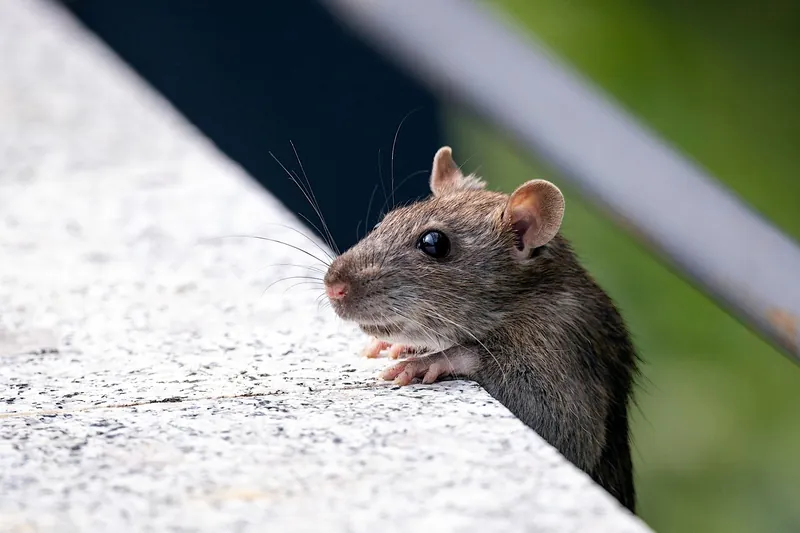
Rodent Droppings and Hantavirus Cleanup
Cleanup for rodent waste and hantavirus covers crawl spaces, attic areas and basements.
See rodent droppings and hantavirus cleanupGet a dead animal located and removed from a wall, attic, vent, crawl space, home or business in Northriver, followed by cleaning and odor treatment at the source.
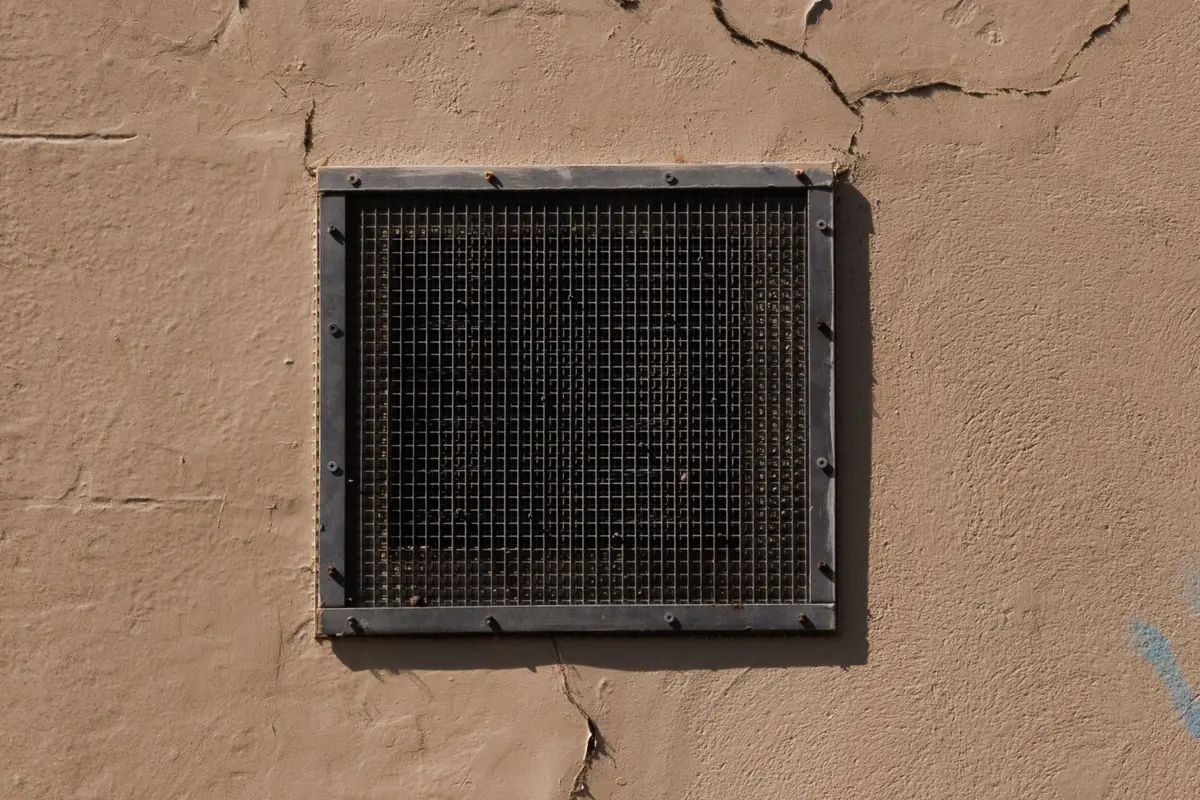
Dead animal cleanup covers locating the remains, creating access when needed, removing them, cleaning affected surfaces and reducing source odor after contamination is treated.
The source may be easy to see outdoors or inside a room, yet animals are often concealed under flooring, in ducts, beneath insulation or beyond drywall. The search should pinpoint the area while leaving as much of the building closed as possible. Reaching it can be straightforward, though a limited wall, cabinet or ceiling section sometimes must be opened.
Taking out the animal may leave more work to do. Wood, insulation and other absorbent materials can hold decomposition fluid, so the area is examined for remaining residue. Materials that are contaminated may require removal. Cleanable hard surfaces receive cleaning and an EPA-registered disinfectant that stays for its full label contact time. Source removal, cleanup and drying come before odor treatment.
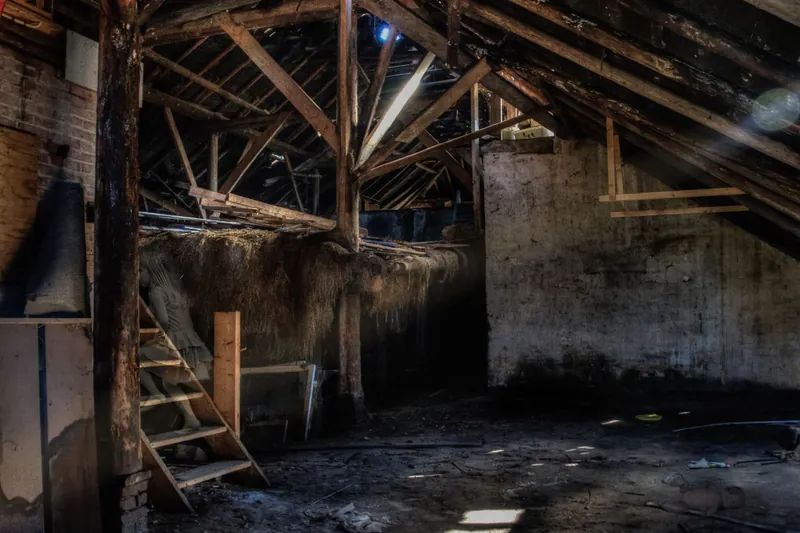
Photos and notes can show the affected area, contaminated material removed and repairs left for your restoration contractor or insurance company.
Calls receive an answer day and night, while unmarked vehicles help keep the visit private at your home, business or rental.
You hear how the source will be located, what may need to be opened and which materials may need removal, so every step is clear before the work proceeds.
Personal property is moved or covered, and any needed opening is kept as limited as practical for the removal.
Dead animal cleaning services are useful when you notice a persistent odor, insects or staining and cannot safely reach or clean the affected area. The location changes the work, so every situation needs its own access and cleanup plan. Common situations include:
Property managers and landlords need the source taken out, records of cleaning and clear documentation of removed building materials.
You may smell the odor in one room even though airflow through the HVAC system has carried it from another location.
Safe access to an animal below your home may be difficult because of soil, insulation and low clearance.
An odor or stain points to an animal inside a wall cavity, where limited access may need to be created.
Your immediate steps can prevent contact and help keep odor in the affected space. Before technicians arrive for cleanup:
Call (888) 351-0904Published guides from Bob Vila and HomeAdvisor put typical dead animal removal at $150 to $250 for the removal itself. If a wall must be opened, soiled material taken out or odor treated, the scope grows beyond that range. Access and the affected area decide what you pay.
These ranges come from published national cost guides, not from a site visit. After an on-site assessment, the price for your property is determined and shared with you before cleanup begins.
Ask about cost: (888) 351-0904Coverage varies by policy and by the cause of the loss. Insurance companies may treat animal removal, damaged building materials and odor cleanup differently, so ask about each part before work begins when possible.
Ask your insurance company whether removal, access openings, contaminated insulation, odor treatment and restoration services are covered, and what photos or records are required.
When there is no applicable insurance coverage, the property owner typically pays. Before approving access through the building, a tenant should notify the landlord about the issue.
A policy may exclude damage caused by pests or animals but apply different terms when a covered opening or sudden event is involved. Ask which parts of the cleanup are covered.
A landlord usually arranges work involving walls, attics, common areas or building systems, but the lease and local rules can affect responsibility.
The dead animal remediation process follows a practical order: locate the source, create safe access, remove the animal and affected materials, clean the space, treat odor and document every step.
An inspection of possible entry points, nearby cavities, vents, staining, insects and the main odor area takes place before technicians open a surface.
Belongings close by are covered or moved, while the affected area guides the choice of gloves, protective clothing and respiratory equipment.
A vent cover may be removed or a limited opening may be made in a wall, ceiling or cabinet when the source is hidden.
Crews minimize contact while lifting the animal, contain it for disposal and prevent it from touching clean areas during removal.
Affected insulation, padding or cardboard and damaged drywall are sorted from materials that can be cleaned and kept.
Cleaning comes first on hard surfaces, followed by application of an EPA-registered disinfectant for every minute of contact time stated on its label.
Once contaminated material and the source have been removed, crews use HEPA filtration, air movement and a suitable odor treatment.
Before you move forward, the space is reviewed for remaining residue or odor and you receive notes about needed repairs to walls, insulation or finishes.
You can call anytime. A dead animal removal and cleanup specialist answers, explains the steps and agrees a start time with you.
Direct contact and sweeping dry material should be avoided because a dead animal can leave strong odor, insects, bacteria and bodily fluids nearby.
Soiled insulation may surround the animal along with droppings and materials used for nesting. They should not be swept or vacuumed dry because dust can spread through the air.
Animal remains or affected liquid should never touch the eyes, mouth or areas where your skin is broken. If you had direct exposure or were bitten or scratched, wash your skin and consult a medical professional.
After collecting around the source, flies and other insects may move to surrounding areas. Removing the source and cleaning corrects the conditions that attract them.
Can you clean it yourself? Keep your pets away and consult local sanitation or animal control instructions when a small animal lies outdoors in an accessible, open location. Seek professional cleanup if you cannot identify the species, the animal is concealed, porous surfaces absorbed fluid or direct exposure cannot be prevented.
Materials stay when thorough cleaning is possible. Removal may be necessary for porous items that soaked up decomposition fluid or surfaces that cannot be accessed from every side.
An accessible animal may be removed and the area cleaned in a single visit. Hidden animals take longer when the location is uncertain, a wall must be opened or odor remains in porous material.
| Scene | Typical time on site |
|---|---|
| Visible animal in an accessible area | Often completed in one visit |
| An animal hidden in a crawl space, attic or wall | Varies by location and safe entry |
| Contamination with building material removal | May need cleanup plus a later repair visit |
Finding the animal and taking it out is the starting point for dead animal odor removal. An air freshener, room fragrance or bleach may briefly hide the smell. It cannot clean contamination beneath insulation or inside a wall.
After the animal and contaminated materials are gone, hard surfaces are cleaned and the space is dried. HEPA air filtration and targeted odor treatment can improve air quality. A vent, wall cavity or crawl space is checked again if odor persists, because a missed patch of soiled material can keep releasing odor.
The full dead animal removal and cleanup guide covers what is cleaned or removed, odor and air quality work, and the rules that apply in Ohio and Lucas County.
Read the full dead animal removal and cleanup guideContainment, entry and cleanup plans can be influenced by local housing, population and access details.
A listed distance of 1.5 miles to Mercy St. Vincent Medical Center gives a practical medical reference when someone has contacted blood or waste.
Properties near Birmingham, East Toledo, and Northlawn can share street names, so confirm the house number, unit and ZIP code.
Neighborhood level directions help narrow the location, but crews still need entrance details before bringing containment and cleaning equipment inside.
During your call, ask whether cleanup is available in surrounding communities and ZIP codes.
Cleanup for rodent waste and hantavirus covers crawl spaces, attic areas and basements.
See rodent droppings and hantavirus cleanup
Bird and bat droppings are cleaned from structures and attics, followed by disinfection.
See bird and bat guano cleanup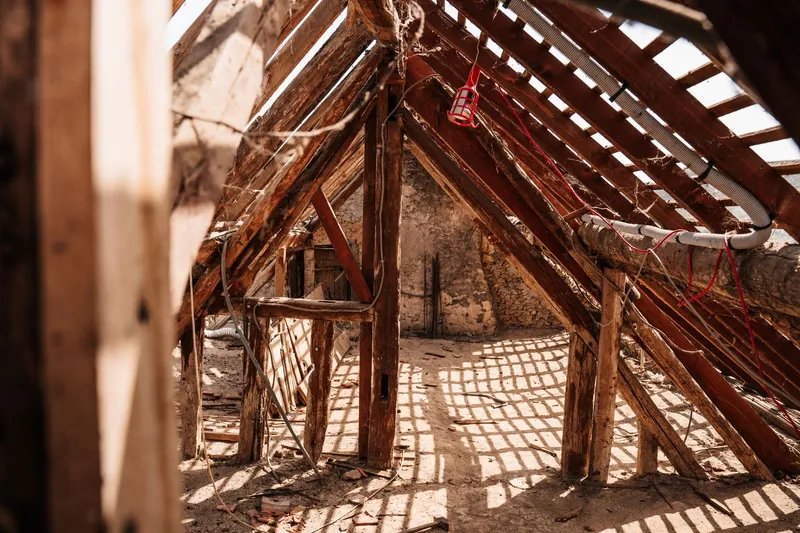
Urine-saturated materials, ammonia odor and waste are addressed through animal hoarding cleanup.
See animal hoarding cleanup
Air scrubbers, hydroxyl and ozone treatment support death odor removal at its source.
See death odor removal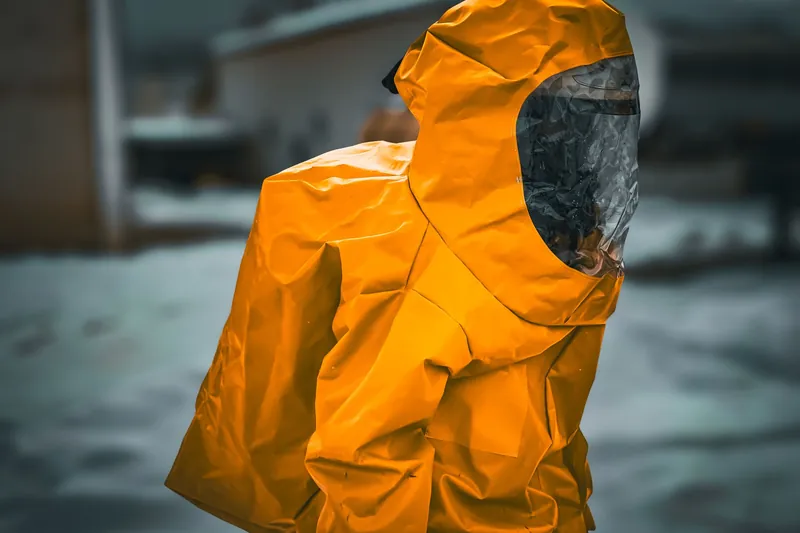
Blood, body fluids and other infectious materials are removed, followed by property disinfection.
See biohazard cleanup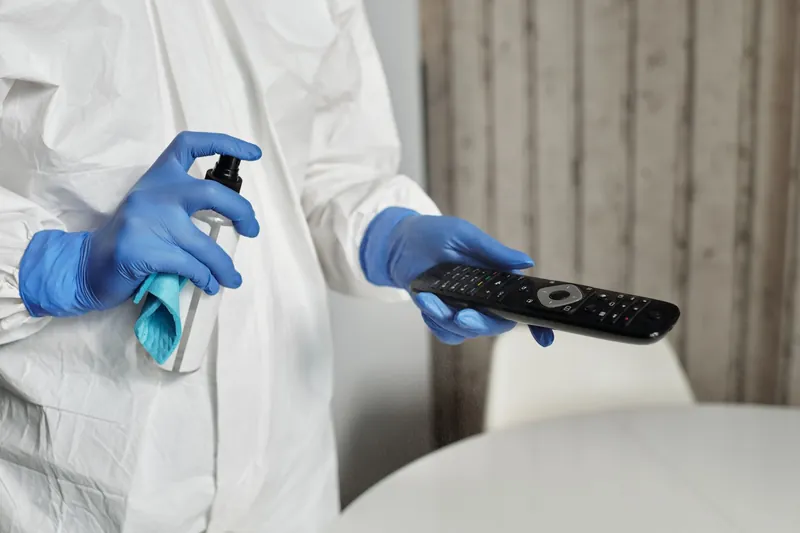
A contaminated space is restored to safe use through biological remediation and contaminant removal.
See biohazard remediation
Crawl space sewage cleanup, including soaked insulation and soil.
See crawl space sewage cleanup
Hotels, rental properties and Airbnb units receive biohazard cleanup.
See hotel, Airbnb and rental biohazard cleanupRemains you can see through a safe opening are not the same as an animal hidden deep in the wall. Never put your hand where you cannot see electrical wires, jagged metal or affected insulation. Consider professional cleanup to limit exposure and unnecessary property damage if the remains are decayed, hidden in an unknown spot or behind a surface that must be opened.
How long the smell lasts varies with heat and moisture, airflow, materials involved and whether any source remains. After thorough source removal and cleanup, you should notice the smell decreasing. The area should be inspected again when odor persists because crews may have missed liquid, insulation, nesting debris or some of the source.
Removal begins with the animal and all affected materials crews can reach. Cleaning hard materials comes next, followed by suitable disinfection and complete drying. Crews may follow with HEPA air filtration or another focused treatment. Fragrances and sprays cannot correct the source by themselves, since smell can return if nesting debris, contaminated insulation or fluid remains.
Whether the claim is covered varies by policy and cause. While certain insurance policies leave out pest or animal damage, they may address resulting building damage another way. Keep cleanup notes and photos while asking the insurance company which costs it covers for carcass removal, structural access, soiled insulation, odor treatment and repair work.
A dead animal cleanup team can locate and remove an animal from a wall, attic, vent, crawl space or room. Depending on your location, animal control might assist with an animal that is alive or in a public area. If structural access, contamination cleanup or waste disposal is needed, ask specifically whether that work is included.
Germs may be present in animal waste, while vacuuming or sweeping dry droppings and nest material can release particles into the air. Avoid disturbing it without suitable protective equipment. Material is less likely to spread through clean parts of your property when removal is controlled, cleanup stays damp and disposal bags remain sealed.
Crews carry out respectful, discreet dead animal removal and cleanup, arrive in unmarked vehicles and take calls 24 hours a day.