Blood Cleanup
Walls, carpets, furnishings and hard floors receive blood cleanup, with safe disposal afterward.
See blood cleanupGet blood and bodily fluids removed from carpet, rugs and upholstered furniture in Sylvania. Each layer is checked, and affected material is cleaned, disinfected or removed according to its condition.
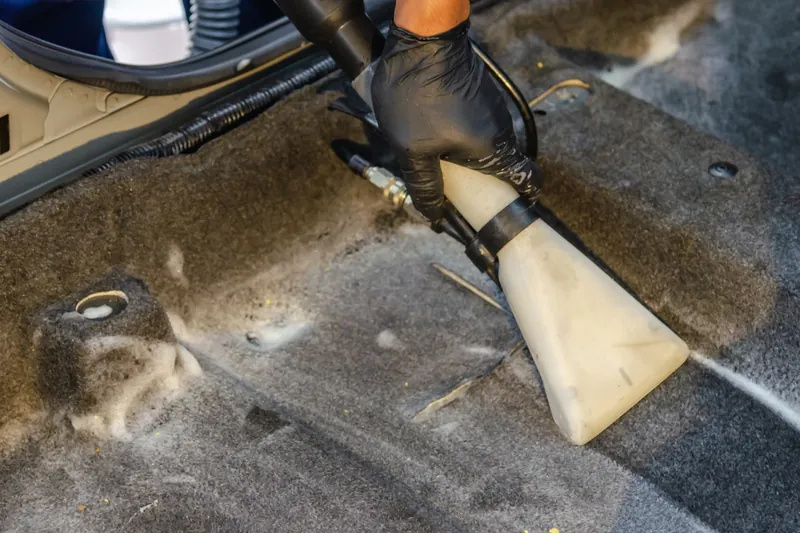
Biohazard carpet and upholstery cleaning removes biological contamination from soft surfaces and the layers beneath them, followed by disinfection when the material can be treated safely and removal when it cannot.
Dirt removal and better appearance are the aims of ordinary carpet cleaning. A biohazard cleanup instead examines every affected part, from surface fibers to backing, pad, tack strips and subfloor, plus upholstery seams and cushion foam. Because urine, blood, vomit, feces and other bodily fluids may penetrate the visible surface, technicians inspect hidden layers to decide which materials can remain.
Cleaning may be possible for a small, recent affected area if the contamination is still reachable and its surface withstands the necessary treatment. A machine often cannot reach all contamination in unfinished wood, foam or padding that has been deeply soaked. Such materials are taken out, packaged and transferred for disposal according to the waste rules governing that job.
The entire process should be documented alongside photographs and itemized affected-property records, which can help you contact restoration services and insurance companies.
Before work begins, you should know what layers were checked, which materials are cleanable and the reason any flooring, foam or padding must come out.
The discussion should include any keepsakes or useful possessions that are affected. Cleanup crews need to discuss treatment limits with you before placing a valued piece of furniture or rug in hazardous waste.
You can reach someone during the day or at night, and cleanup crews arrive in unmarked vehicles. Ask what steps will protect privacy around the entrance and route used for work.
Biohazard carpet cleaning services are needed when a biological material reaches a soft surface that routine cleaning cannot safely address. Common situations include:
A cut, fall or medical event can leave blood that passes through carpet, reaches the pad and moves across the subfloor. What you see may reveal only part of the affected area.
Depending on the depth of contamination, an area rug may require careful cleaning, treatment underneath or removal when disinfection cannot reach affected layers.
A sofa, chair or carpet in a rental may need photos, an item record and a clear decision about cleaning versus removal for the property owner and insurance company.
Fabric may allow blood to spread into furniture framing, seams, foam and batting. Inspection shows whether the affected parts are accessible for treatment.
Keep everyone away from the affected carpet or furniture and leave the material in place. These first steps reduce spread while you arrange a cleanup service:
Call (888) 351-0904You will not find a published price just for carpet or upholstered furniture. Fixr gives a general biohazard range for comparison: $3,000 to $5,000 is typical, $1,500 is where smaller jobs begin and $25,000 is the high end for large ones. None of that is a carpet cleaning price. Your total is set once each affected layer has been inspected.
The figures shown are national ranges from published cost guides and are not based on an on-site visit. After an on-site assessment, the price for your property is determined and shared with you before cleanup begins.
Ask about cost: (888) 351-0904Biohazard work on carpet and upholstery may qualify for coverage through a homeowners, renters, commercial or auto policy if the contamination resulted from a covered event. Claim payment still depends on the circumstances, policy terms and deductible.
Homeowners or renters insurance, the estate or the property owner usually pays for this kind of cleanup. The Ohio crime victim compensation program helps only when a crime caused the loss.
Explain the source of the loss to your insurance company and identify every affected rug, carpet or furniture item. Ask about cleaning, material removal and later floor or furniture restoration.
The property manager or owner may arrange the cleanup service for a rental. Who must pay is determined by the event's cause, insurance coverage and terms in the lease.
Your adjuster can explain what item logs, images and cleanup documentation must be submitted. Unless affected personal property poses an urgent safety concern, retain it until you receive instructions, and keep a record of the claim number.
The cleaning process follows a controlled order so technicians can find hidden contamination, protect surrounding areas and avoid treating material that should be removed. Every step depends on the fluid, depth and construction of the soft surface.
The inspection covers what is visible along with carpet edges, backing, pad and adjacent hard surfaces. Furniture is checked at its seams and beneath removable cushions prior to setting the scope.
Clean areas are kept apart from the work zone. Workers use suitable protective gear and plan a restricted route for equipment and securely closed waste.
Removal of visible soil and solids is performed in ways that minimize airborne particles and splashes. Disinfectant application follows the initial cleaning step.
Edges or sections may be lifted when needed to inspect backing, pad, tack strips and subfloor. The same depth check is made inside accessible upholstery layers.
Materials that can be cleaned receive treatment appropriate for both the contaminant and fiber. When complete treatment cannot be achieved, deeply contaminated framing, foam, padding or carpet is taken out.
Disinfectant use is limited to products with EPA registration and label instructions that match the target organism and surface. The specified wet contact time is observed.
Any odor left after contaminated matter is gone is tracked back to its origin. During detailed cleaning and removal, HEPA filtration may help manage particles in the air.
A final check covers the cleaned area, adjacent surfaces and route used for travel. The records you receive list completed cleaning, material removal and outstanding restoration work.

Phone any hour. Your biohazard carpet and upholstery cleaning specialist answers the phone, describes what happens next and works with you on a start time.
Soft materials may trap contamination beneath their surface fibers. As a result, carpet and chairs can look clean while affected matter and bodily fluids remain inside.
Carpet backing may allow liquid to enter the pad, unfinished subfloor, tack strips and seams in the floor. Surface shampooing can leave contaminated materials below.
When carpeting, upholstery or padding cannot be disinfected, applicable rules may require safe disposal and secure packaging. Do not pull unsecured material across unaffected rooms.
Blood may carry HIV as well as hepatitis B and hepatitis C. Dried material must still be treated carefully because the CDC says hepatitis B can live on a surface for at least seven days.
Can you clean it yourself? You may be able to address a few drops on washable, removable fabric when there is no sharp item and its care directions permit safe treatment. Follow public health recommendations and protect your hands with gloves. Arrange professional biohazard cleanup if fluid entered fixed carpeting, pad, furniture foam or unsealed floors, or if you cannot determine the complete affected area.
For a soft surface to remain, its material must tolerate the entire cleaning and disinfection treatment, and the affected area must be reachable. Saturated layers that are deeply affected are taken out.
How long the work takes depends on how far the fluid penetrated, how many soft surfaces it affected and whether technicians need to take out furnishings, pad or carpet. A dependable schedule requires an inspection first.
| Scene | Typical time on site |
|---|---|
| Contamination limited to a single accessible material | Required treatment and cleaning can sometimes follow the assessment within one period of work |
| Carpeting with its pad, or a single upholstery item | Layer inspection and material decisions can extend the work |
| Multiple rooms, furnishings or sections of subfloor | Biohazard remediation and material removal might span several work periods before restoration begins |
Effective odor work begins with the layers out of sight. Shampoo on the surface or added fragrance cannot address contamination in carpet pad and tack strips, foam inside upholstery or an unfinished subfloor. The source is located and then removed or cleaned before separate equipment for deodorizing is considered.
While impacted materials are being moved and taken out, HEPA air filtration may assist with particle control. Once the source has been removed and disinfection is complete, technicians examine adjoining surfaces and the route air can travel. You should ask which equipment will operate, if pets and people need to leave, and which conditions are required before anyone uses the room again.
The full biohazard carpet and upholstery cleaning guide covers what is cleaned or removed, odor and air quality work, and the rules that apply in Ohio and Lucas County.
Read the full biohazard carpet and upholstery cleaning guideContainment, entry and cleanup plans can be influenced by local housing, population and access details.
Rental housing represents 22.4% of households here, so cleanup information should still explain when a landlord must approve structural work.
A median build year of 1975 means fluids can pass through carpet or seams and affect padding or subfloor below.
There are 1,071 seniors living alone locally, making simple welfare check plans useful even when the overall share is lower.
Detached and single-family properties account for 76.2% locally, so exterior access and safe waste movement should be planned early.
You can ask about cleanup in nearby communities and ZIP codes during the call.
Walls, carpets, furnishings and hard floors receive blood cleanup, with safe disposal afterward.
See blood cleanup
Blood spill cleanup removes spills of any size, including fresh and dried blood.
See blood spill cleanup
Homes, care environments and businesses receive bodily fluid cleanup and disinfection.
See bodily fluid cleanup
Human feces cleanup includes disinfection in homes, public restrooms and rental properties.
See human feces cleanup
Floors, underlying subfloors and furniture receive urine cleanup with odor removal.
See urine cleanup
Vomit is cleaned and the area disinfected to stop the spread of norovirus and other germs.
See vomit cleanup
Contamination is cleared through biological remediation, returning the space to safe use.
See biohazard remediation
Death odor removal at the source with air scrubbers, hydroxyl and ozone treatment.
See death odor removalTo determine the liquid's full path, technicians examine upholstery fabric, seams, batting, foam and furniture framing. Material within reach may undergo cleaning and receive a product whose label supports the application. Surface treatment might not be the safer approach for deeply impacted foam or furniture framing that workers cannot reach, so removal may be needed.
Keep rented extraction machines and home vacuums away from biohazard material. Using the machine can drive liquid deeper into padding, release dried residue and contaminate the equipment's interior. Arrange an evaluation when fluid has penetrated below the surface or exceeds a few drops, while leaving carpeting untouched and keeping others out.
Blood on carpet fibers may be treatable, but blood that soaked into padding is difficult to reach completely. Carpet backing, perimeter areas, padding and the floor below are checked by cleanup technicians. Affected padding and other porous material may be removed instead of repeatedly extracting the visible stain from above.
No. The decision depends on the contaminant, amount, depth, time and material condition. In some cases, workers can treat the carpet's fibers but must take out the impacted pad. When contamination reached inaccessible layers or a material cannot tolerate effective disinfection, removal is the safer course.
It can remove odor when the complete source is found and addressed. Odor can remain if bodily fluids are left in padding, upholstery foam, tack strips or subfloor. The proper order begins with source removal and continues through cleaning, disinfection, and any fitting air-quality or deodorization steps. Adding scent by itself will not address the source.
Published guides do not list a carpet-specific figure. Broad general biohazard cleanup comparisons appear in the cards on this page. Your actual scope depends on the affected area, depth, materials, waste and restoration needs, so an on-site inspection is needed before the cost can be set.
Crews carry out respectful, discreet biohazard carpet and upholstery cleaning, arrive in unmarked vehicles and take calls 24 hours a day.